• Home
  • About Us
  • Contact Us
crossref-it.info
  • Writers in
    context
    Writers in context
    • The world of Chaucer 1330-1400
    • The world of Shakespeare and the Metaphysical poets 1540-1660
    • The world of the Romantics 1770 - 1837
    • The world of Victorian writers 1837 - 1901
    • The 20th century
    • Explore the timeline
  • Aspects of
    literature
    Aspects of literature
    • Augustan literature, an introduction
    • Critical approaches to literature
    • Drama developments
    • Gothic, aspects of
    • Language developments
    • Impact of the Bible
    • Impact of classical literature
    • Narrative, aspects of
    • Poetry: How poetry works
    • Poetry: Recognising poetic form
    • Romanticism
    • Victorian literature, features
    • Women and literature
    • Explore the timeline
  • Detailed
    text guides
    Detailed text guides
    • Brontës, selected poems: context links
    • Christina Rossetti, selected poems
    • The Color Purple
    • Doctor Faustus
    • Dubliners
    • Equus
    • Frankenstein
    • The General Prologue: context links
    • Gerard Manley Hopkins, selected poems
    • Great Expectations
    • The Great Gatsby
    • Hamlet
    • The Handmaid's Tale
    • Hard Times: context links
    • Jane Eyre
    • John Keats, selected poems
    • King Lear
    • Macbeth: context links
    • The Mayor of Casterbridge: context links
    • Measure for Measure
    • Metaphysical poets, selected poems
    • The Nun's Priest's Tale: context links
    • Othello
    • The Pardoner's Prologue and Tale
    • Persuasion
    • The Return of the Native: context links
    • Romantic poets, selected poems: context links
    • Songs of Innocence and Experience
    • The Taming of the Shrew
    • The Tempest: context links
    • Tess of the d'Urbervilles
    • Thomas Hardy, selected poems: context links
    • Twelfth Night: context links
    • The White Devil
    • Wide Sargasso Sea
    • The Wife of Bath's Prologue and Tale
    • Wilfred Owen, selected poems
    • The Winter's Tale
    • Wuthering Heights
  • Successful
    study
    Successful study
    • AV resources
    • English Language resources
    • Text specific downloadable worksheets
    • Text specific further reading and resources
    • Tips for successful study
  • Search
    A-Z
    Search A-Z
    • A-Z: General definitions
    • Big ideas from the Classics
    • Big ideas from the Bible
    • A-Z: Books of the Bible
    • A-Z: Common sayings from the Bible
    • A-Z: Famous stories from the Bible
    • A-Z: Literary titles from the Bible
    • Explore the timeline
  • Read
    texts
    Read texts
    • The Bible
    • John Keats, selected poems
    • Christina Rossetti, selected poems
    • Doctor Faustus
    • Dubliners
    • Frankenstein
    • Gerard Manley Hopkins, selected poems
    • Great Expectations
    • The Great Gatsby
    • Hamlet
    • Jane Eyre
    • King Lear
    • Measure for Measure
    • Metaphysical poets, selected poems
    • Othello
    • The Pardoner's Prologue and Tale
    • Persuasion
    • Songs of Innocence and Experience
    • The Taming of the Shrew
    • Tess of the d'Urbervilles
    • The White Devil
    • The Wife of Bath's Prologue and Tale
    • Wilfred Owen, selected poems
    • The Winter's Tale
    • Wuthering Heights
  • Only
    connect
    Only connect
    • Attitudes to Death
    • Impact of location
    • Love, lust and marriage
    • Parents and children
    • Villainy & Vengeance
    • Women finding a voice
  • The Pardoner's Prologue and Tale
  • Contents
  • Guide
  • Recent

The Pardoner's Prologue and Tale Contents

  • Introduction
  • Timeline
  • Images
  • Author(s)
    • Chaucer, Geoffrey
      • The Chaucer family
      • Chaucer's early years
      • The effect of Chaucer's background
      • Chaucer's court career
  • The context of The Pardoner's Prologue and Tale
    • Social / political context Show more
      • The medieval Canterbury Tales
      • The relationship between Church and society
      • Death in society and culture
      • An era of social and economic change
    • Religious / philosophical context Show more
      • Medieval beliefs about sin and forgiveness
      • Medieval attitudes to poverty and wealth
      • The role of a pardoner
      • Pilgrims and pilgrimage
        • More on Thomas Becket
      • Death and mutability
    • Literary context Show more
      • Other writers from Chaucer's time
      • The audiences for which Chaucer wrote
      • Chaucer's style
      • Medieval literary conventions and The Pardoner's Prologue
      • Chaucer's English
      • Chaucer's metre: iambic pentameter
  • Narrative - framing devices in The Pardoner's Tale
    • The General Prologue Show more
      • More on Boccacio and Ovid
    • The narrative function of the Host
    • Prologues
  • The Pardoner's Prologue and Tale synopses and commentary
    • l.1-40: The link between The Physician's Tale and The Pardoner's Prologue
    • The Pardoner's Prologue - l.41-100
    • The Pardoner's Prologue - l.101-138
    • The Pardoner's Prologue - l.139-174
    • The Pardoner's Tale - l.175-194
    • The Pardoner's Tale - l.195-209
    • The Pardoner's Tale l.210-300: Gluttony and drunkenness
    • The Pardoner's Tale l.301-372: Gambling and swearing
    • The Pardoner's Tale l.373-422: The rioters hear of death
    • The Pardoner's Tale l.423-479: The rioters meet an Old Man
    • The Pardoner's Tale l.480-517: Money
    • The Pardoner's Tale - l.518-562: Two conspiracies
    • The Pardoner's Tale - l.563-606: Love of money leads to death
    • The Pardoner's Tale l.607-630: Concluding the sermon
    • The Pardoner's Tale l.631-657: Selling relics and pardons
    • Final link passage l.658-680: Anger and reconciliation
  • Characterisation in The Pardoner's Prologue and Tale
    • The Pardoner
    • The Host Show more
      • More on masculinity
    • The Old Man
  • Themes in The Pardoner's Prologue and Tale
    • Avarice
    • Blasphemy
    • Death
    • Hypocrisy and moral blindness
    • Preaching in the Prologue and Tale
    • Sin and stupidity
    • Youth and age
  • Imagery and symbolism in The Pardoner's Prologue and Tale
    • The Cross
    • Death
    • Deceit
    • Food and drink
    • Money
    • The smooth preacher / salesman
    • Relics, bulls and reality
    • Scatological references and bodily functions
  • Critical approaches to The Pardoner's Prologue and Tale
    • The critical tradition
    • Early twentieth-century approaches to literature
    • Approaches in the last thirty years
  • The Pardoner's Prologue and Tale: Approaching essays and exams
    • Exam essay questions
    • Passage-based questions
  • The Pardoner's Prologue and Tale: Resources and further reading
    • Further reading
    • Websites
    • Worksheet downloads

The Pardoner's Prologue and Tale Images

Pope at Avignon John Wyclif Adam and Eve Pope Clement V Tabard Inn Thomas Becket's murder Death Piers Plowman Troilus and Criseyde Boccaccio Ypocras Relics, photo by Boston, available through Creative Commons Papal bull Papal seal Potage, photo by Gran, available through Creative Commons Gyterne Lot's daughters Seneca Tree of Knowledge Richard II Mass Bone marrow, photo by Simon Doggett, available through Creative Commons Attila Spartan, drawing by SAWg3rd available through Creative Commons Moses with the Ten Commandments Dice, photo by Angela Monika Arnold, available through Creative Commons Treasure Poison Avicenna statue, photo by Alefbe, available through Creative Commons Saint Helen Avarice St Helen Sermon from pulpit Old man and youth, by Leonardo da Vinci Jesus' crucifixion Monk drinking wine from a barrel Coins
  • Tweet

Recently Viewed

  • The Pardoner's Prologue and Tale » Images
    now
Scan and go

Scan on your mobile for direct link.

Copyright © crossref-it.info - Privacy Policy | Cookie Policy | Terms of Use

Pope at Avignon
John Wyclif
Adam and Eve
Pope Clement V
Tabard Inn
Thomas Becket's murder
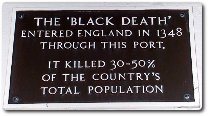
Death
Piers Plowman
Troilus and Criseyde
Boccaccio
Ypocras
Relics, photo by Boston, available through Creative Commons
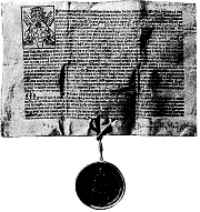
Papal bull
Papal seal
Potage, photo by Gran, available through Creative Commons
Gyterne
Lot's daughters
Seneca
Tree of Knowledge
Richard II
Mass
Bone marrow, photo by Simon Doggett, available through Creative Commons
Attila
Spartan, drawing by SAWg3rd available through Creative Commons
Moses with the Ten Commandments
Dice, photo by Angela Monika Arnold, available through Creative Commons
Treasure
Poison
Avicenna statue, photo by Alefbe, available through Creative Commons
Saint Helen
Avarice
St Helen
Sermon from pulpit
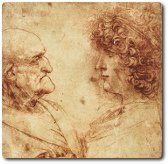
Old man and youth, by Leonardo da Vinci
Jesus' crucifixion
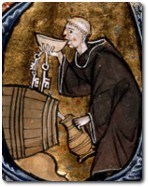
Monk drinking wine from a barrel
Coins