• Home
  • About Us
  • Contact Us
crossref-it.info
  • Writers in
    context
    Writers in context
    • The world of Chaucer 1330-1400
    • The world of Shakespeare and the Metaphysical poets 1540-1660
    • The world of the Romantics 1770 - 1837
    • The world of Victorian writers 1837 - 1901
    • The 20th century
    • Explore the timeline
  • Aspects of
    literature
    Aspects of literature
    • Augustan literature, an introduction
    • Critical approaches to literature
    • Drama developments
    • Gothic, aspects of
    • Language developments
    • Impact of the Bible
    • Impact of classical literature
    • Narrative, aspects of
    • Poetry: How poetry works
    • Poetry: Recognising poetic form
    • Romanticism
    • Victorian literature, features
    • Women and literature
    • Explore the timeline
  • Detailed
    text guides
    Detailed text guides
    • Brontës, selected poems: context links
    • Christina Rossetti, selected poems
    • The Color Purple
    • Doctor Faustus
    • Dubliners
    • Equus
    • Frankenstein
    • The General Prologue: context links
    • Gerard Manley Hopkins, selected poems
    • Great Expectations
    • The Great Gatsby
    • Hamlet
    • The Handmaid's Tale
    • Hard Times: context links
    • Jane Eyre
    • John Keats, selected poems
    • King Lear
    • Macbeth: context links
    • The Mayor of Casterbridge: context links
    • Measure for Measure
    • Metaphysical poets, selected poems
    • The Nun's Priest's Tale: context links
    • Othello
    • The Pardoner's Prologue and Tale
    • Persuasion
    • The Return of the Native: context links
    • Romantic poets, selected poems: context links
    • Songs of Innocence and Experience
    • The Taming of the Shrew
    • The Tempest: context links
    • Tess of the d'Urbervilles
    • Thomas Hardy, selected poems: context links
    • Twelfth Night: context links
    • The White Devil
    • Wide Sargasso Sea
    • The Wife of Bath's Prologue and Tale
    • Wilfred Owen, selected poems
    • The Winter's Tale
    • Wuthering Heights
  • Successful
    study
    Successful study
    • AV resources
    • English Language resources
    • Text specific downloadable worksheets
    • Text specific further reading and resources
    • Tips for successful study
  • Search
    A-Z
    Search A-Z
    • A-Z: General definitions
    • Big ideas from the Classics
    • Big ideas from the Bible
    • A-Z: Books of the Bible
    • A-Z: Common sayings from the Bible
    • A-Z: Famous stories from the Bible
    • A-Z: Literary titles from the Bible
    • Explore the timeline
  • Read
    texts
    Read texts
    • The Bible
    • John Keats, selected poems
    • Christina Rossetti, selected poems
    • Doctor Faustus
    • Dubliners
    • Frankenstein
    • Gerard Manley Hopkins, selected poems
    • Great Expectations
    • The Great Gatsby
    • Hamlet
    • Jane Eyre
    • King Lear
    • Measure for Measure
    • Metaphysical poets, selected poems
    • Othello
    • The Pardoner's Prologue and Tale
    • Persuasion
    • Songs of Innocence and Experience
    • The Taming of the Shrew
    • Tess of the d'Urbervilles
    • The White Devil
    • The Wife of Bath's Prologue and Tale
    • Wilfred Owen, selected poems
    • The Winter's Tale
    • Wuthering Heights
  • Only
    connect
    Only connect
    • Attitudes to Death
    • Impact of location
    • Love, lust and marriage
    • Parents and children
    • Villainy & Vengeance
    • Women finding a voice
  • Wuthering Heights
  • Contents
  • Guide
  • Recent

Wuthering Heights Contents

  • Introduction
  • Timeline
  • Images
  • Author(s)
    • Brontë, Emily
      • Emily Brontë's early years
      • Adulthood and publication
  • The context of Wuthering Heights
    • Social / political context Show more
      • Emily Brontë and Victorian Britain
    • Educational context
    • Religious / philosophical context of Wuthering Heights Show more
      • The influence of Christianity
      • Religion in Wuthering Heights
    • Literary context of Wuthering Heights Show more
      • The status of prose fiction
      • Emily Brontë and the novel
  • Wuthering Heights synopses and commentary
    • Chapter 1
    • Chapter 2
    • Chapter 3
    • Chapter 4
    • Chapter 5
    • Chapter 6
    • Chapter 7
    • Chapter 8
    • Chapter 9
    • Chapter 10
    • Chapter 11
    • Chapter 12
    • Chapter 13
    • Chapter 14
    • Chapter 15
    • Chapter 16
    • Chapter 17
    • Chapter 18
    • Chapter 19
    • Chapter 20
    • Chapter 21
    • Chapter 22
    • Chapter 23
    • Chapter 24
    • Chapter 25
    • Chapter 26
    • Chapter 27
    • Chapter 28
    • Chapter 29
    • Chapter 30
    • Chapter 31
    • Chapter 32
    • Chapter 33
    • Chapter 34
  • Wuthering Heights: Narrative
    • Who tells the story
    • Brontë’s style
  • Wuthering Heights: Characterisation
    • The power of character
    • Heathcliff
    • Catherine Earnshaw
    • Edgar Linton
    • Isabella Linton
    • Other ‘first generation’ characters
    • ‘Second generation’ characters
    • Doubling characters
  • Themes in Wuthering Heights
    • Calm versus storm
    • Love versus hatred
    • Revenge versus forgiveness
    • Insiders versus outsiders
    • Death versus life
  • Imagery and symbolism in Wuthering Heights
    • The four elements
    • Hell and the devil Show more
      • More on conventional teaching about Hell
    • Windows, doors, gates and locks/keys
    • Books
    • Weather and landscape
    • Animals and birds
  • Structure in Wuthering Heights
    • The two-part structure of Wuthering Heights
    • Wuthering Heights as a five-act tragedy
    • The dual locations of Wuthering Heights
  • Critical approaches to Wuthering Heights
    • Initial responses
    • Developing criticism
    • Analysing a passage
  • Wuthering Heights: approaching essays and exams
    • Engaging with the text
    • How to plan an essay
    • A Level English Literature Assessment Objectives
    • The Assessment Objectives and Wuthering Heights
    • What makes a good English exam answer?
    • Sample questions on Wuthering Heights
  • Wuthering Heights: Resources
    • Booklist
    • Websites
    • Wuthering Heights on film and television
    • Downloadable worksheets

Wuthering Heights Images

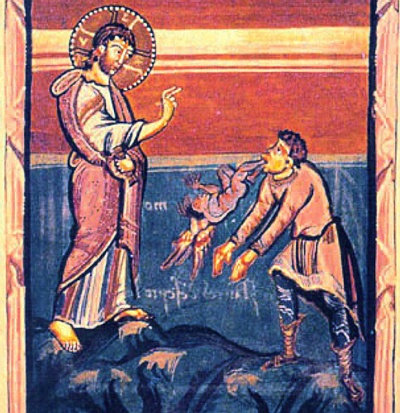
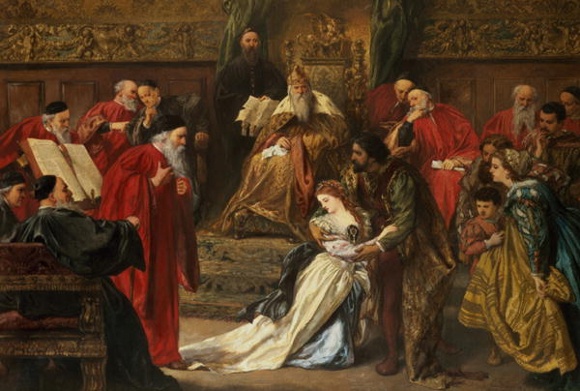
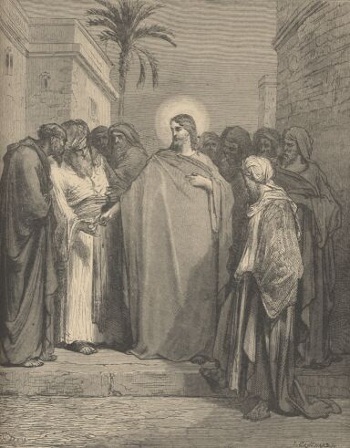
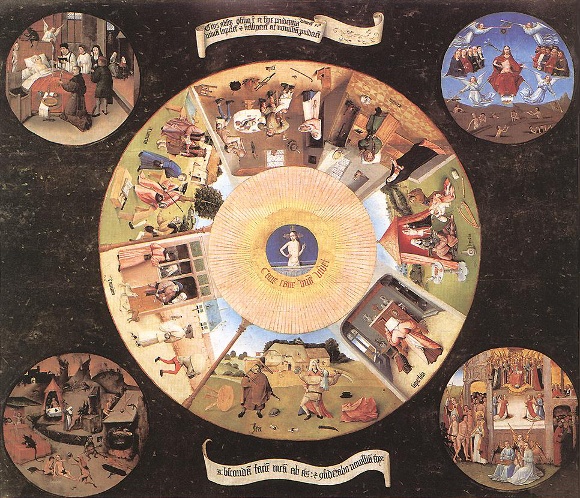
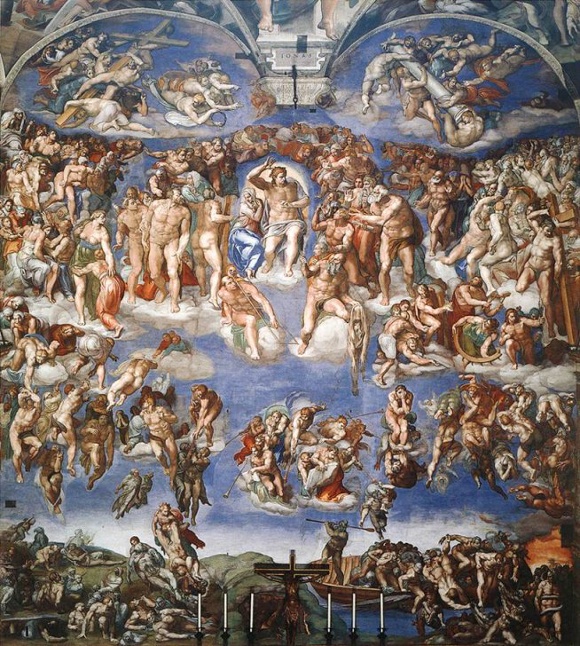
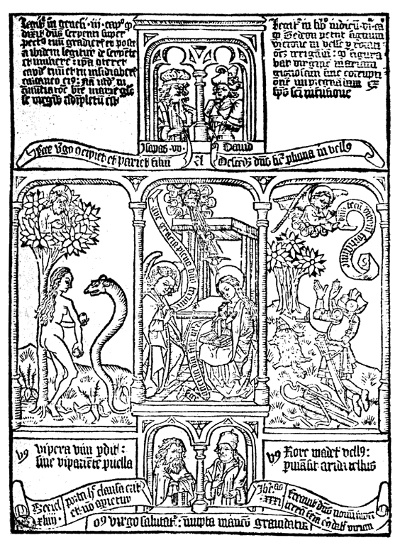
John Wesley William Wilberforce Bible Portrait of Sir Walter Scott by Sir Henry Raeburn Portrait of William Wordsworth by Benjamin Robert Haydon Roe Head School plaque Jesus casting out demons, medieval illumination Painting of Cordelia in the Court of King Lear by Sir John Gilbert 1873 Dispute between Jesus and the Pharisees by Gustav Dore High Sunderland Hall 1818, a possible inspiration for Wuthering Heights The Seven Deadly Sins and The Four Last Things painting by Hieronymus Bosch The Last Judgment by Michelangelo Eve and the serpent 12 Labours of Hercules, 3rd century Roman relief Yorkshire Moors hamlet, image available through Creative Commons John Wesley The Sower by James Tissot Moses with the ten commandments by Rembrandt 12 Labours of Hercules, 3rd century Roman relief Yorkshire moorland, image available through Creative Commons Song thrush Top Withens, possible inspiration for Wuthering Heights location, image available through Creative Commons Yorkshire moorland, image available through Creative Commons Top Withens, possible inspiration for Wuthering Heights location, image available through Creative Commons Medieval illustration of hell Top Withins, possible inspiration for Wuthering Heights location, image available through Creative Commons Yorkshire moorland, image available through Creative Commons Halifax, Yorkshire, 1834
  • Tweet

Recently Viewed

  • Wuthering Heights » Images
    now
Scan and go

Scan on your mobile for direct link.

Copyright © crossref-it.info - Privacy Policy | Cookie Policy | Terms of Use

John Wesley
William Wilberforce
Bible
Portrait of Sir Walter Scott by Sir Henry Raeburn
Portrait of William Wordsworth by Benjamin Robert Haydon
Roe Head School plaque
Jesus casting out demons, medieval illumination
Painting of Cordelia in the Court of King Lear by Sir John Gilbert 1873
Dispute between Jesus and the Pharisees by Gustav Dore
High Sunderland Hall 1818, a possible inspiration for Wuthering Heights
The Seven Deadly Sins and The Four Last Things painting by Hieronymus Bosch
The Last Judgment by Michelangelo
Eve and the serpent
12 Labours of Hercules, 3rd century Roman relief
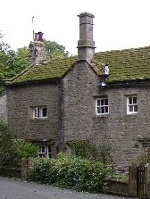
Yorkshire Moors hamlet, image available through Creative Commons
John Wesley
The Sower by James Tissot
Moses with the ten commandments by Rembrandt
12 Labours of Hercules, 3rd century Roman relief
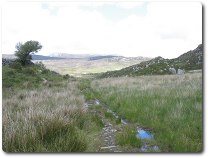
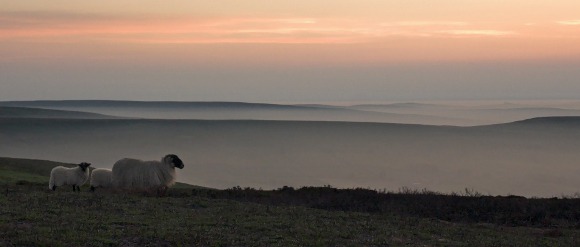
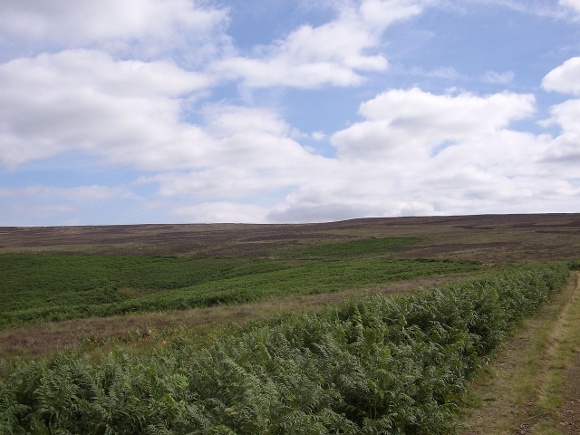
Yorkshire moorland, image available through Creative Commons
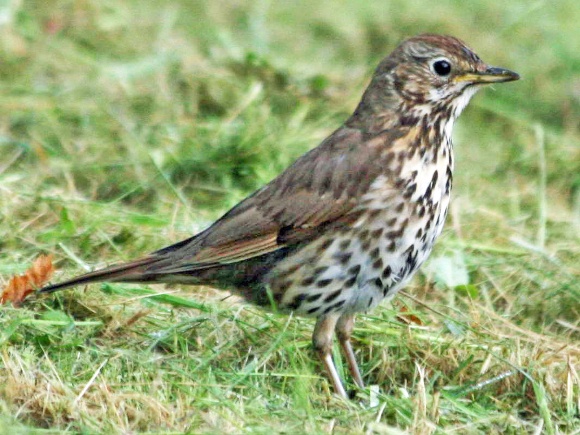
Song thrush
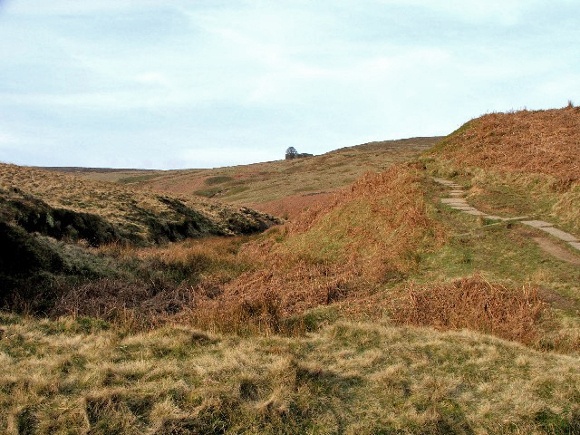
Top Withens, possible inspiration for Wuthering Heights location, image available through Creative Commons
Yorkshire moorland, image available through Creative Commons
Top Withens, possible inspiration for Wuthering Heights location, image available through Creative Commons
Medieval illustration of hell
Top Withins, possible inspiration for Wuthering Heights location, image available through Creative Commons
Yorkshire moorland, image available through Creative Commons
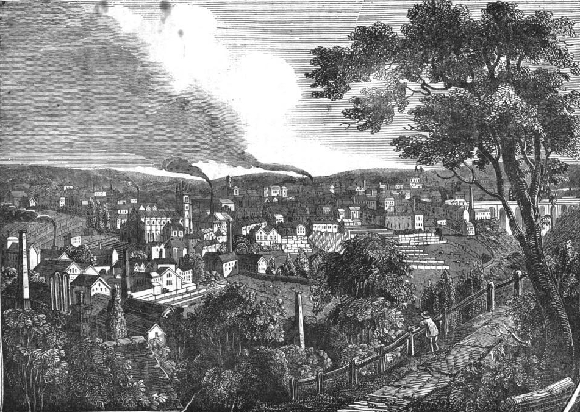
Halifax, Yorkshire, 1834