• Home
  • About Us
  • Contact Us
crossref-it.info
  • Writers in
    context
    Writers in context
    • The world of Chaucer 1330-1400
    • The world of Shakespeare and the Metaphysical poets 1540-1660
    • The world of the Romantics 1770 - 1837
    • The world of Victorian writers 1837 - 1901
    • The 20th century
    • Explore the timeline
  • Aspects of
    literature
    Aspects of literature
    • Augustan literature, an introduction
    • Critical approaches to literature
    • Drama developments
    • Gothic, aspects of
    • Language developments
    • Impact of the Bible
    • Impact of classical literature
    • Narrative, aspects of
    • Poetry: How poetry works
    • Poetry: Recognising poetic form
    • Romanticism
    • Victorian literature, features
    • Women and literature
    • Explore the timeline
  • Detailed
    text guides
    Detailed text guides
    • Brontës, selected poems: context links
    • Christina Rossetti, selected poems
    • The Color Purple
    • Doctor Faustus
    • Dubliners
    • Equus
    • Frankenstein
    • The General Prologue: context links
    • Gerard Manley Hopkins, selected poems
    • Great Expectations
    • The Great Gatsby
    • Hamlet
    • The Handmaid's Tale
    • Hard Times: context links
    • Jane Eyre
    • John Keats, selected poems
    • King Lear
    • Macbeth: context links
    • The Mayor of Casterbridge: context links
    • Measure for Measure
    • Metaphysical poets, selected poems
    • The Nun's Priest's Tale: context links
    • Othello
    • The Pardoner's Prologue and Tale
    • Persuasion
    • The Return of the Native: context links
    • Romantic poets, selected poems: context links
    • Songs of Innocence and Experience
    • The Taming of the Shrew
    • The Tempest: context links
    • Tess of the d'Urbervilles
    • Thomas Hardy, selected poems: context links
    • Twelfth Night: context links
    • The White Devil
    • Wide Sargasso Sea
    • The Wife of Bath's Prologue and Tale
    • Wilfred Owen, selected poems
    • The Winter's Tale
    • Wuthering Heights
  • Successful
    study
    Successful study
    • AV resources
    • English Language resources
    • Text specific downloadable worksheets
    • Text specific further reading and resources
    • Tips for successful study
  • Search
    A-Z
    Search A-Z
    • A-Z: General definitions
    • Big ideas from the Classics
    • Big ideas from the Bible
    • A-Z: Books of the Bible
    • A-Z: Common sayings from the Bible
    • A-Z: Famous stories from the Bible
    • A-Z: Literary titles from the Bible
    • Explore the timeline
  • Read
    texts
    Read texts
    • The Bible
    • John Keats, selected poems
    • Christina Rossetti, selected poems
    • Doctor Faustus
    • Dubliners
    • Frankenstein
    • Gerard Manley Hopkins, selected poems
    • Great Expectations
    • The Great Gatsby
    • Hamlet
    • Jane Eyre
    • King Lear
    • Measure for Measure
    • Metaphysical poets, selected poems
    • Othello
    • The Pardoner's Prologue and Tale
    • Persuasion
    • Songs of Innocence and Experience
    • The Taming of the Shrew
    • Tess of the d'Urbervilles
    • The White Devil
    • The Wife of Bath's Prologue and Tale
    • Wilfred Owen, selected poems
    • The Winter's Tale
    • Wuthering Heights
  • Only
    connect
    Only connect
    • Attitudes to Death
    • Impact of location
    • Love, lust and marriage
    • Parents and children
    • Villainy & Vengeance
    • Women finding a voice
  • The Wife of Bath's Prologue and Tale
  • Contents
  • Guide
  • Recent

The Wife of Bath's Prologue and Tale Contents

  • Introduction
  • Timeline
  • Images
  • Author(s)
    • Chaucer, Geoffrey
      • The Chaucer family
      • Chaucer's early years
      • The effect of Chaucer's background
      • Chaucer's court career
  • Social / political context of The Wife of Bath
    • The medieval Canterbury Tales
    • The relationship between Church and society
    • Marriage in England in the fourteenth century
    • The reality of death
    • An era of social and economic change
  • Religious / philosophical context of The Wife of Bath
    • Medieval beliefs about sin and forgiveness
    • Pilgrims and pilgrimage
      • More on Thomas Becket
    • Astronomy and astrology
  • Literary context of The Wife of Bath
    • Other writers from Chaucer's time
    • Romance and courtly love
    • Medieval literary conventions
    • Chaucer's English
    • Chaucer's metre: Iambic pentameter
  • Narrative in Wife of Bath
    • Narrative - the way the story is told
      • More on Boccaccio and Ovid
    • The portrait of the Wife of Bath in The General Prologue
    • Language in The Wife of Bath's Prologue and Tale
  • The Wife of Bath's Prologue and Tale synopses and commentary
    • The Prologue: introductory comments
      • Part one: l.1 'Experience' - l.76 'Cacche whoso may'
      • Part two: l.77 'But this word' - l.134 'To purge uryne'
      • Part three: l.135 'But if I seye noght' - l.162 ' Al this sentence'
      • Part four: l.163 'Up sterte' - l.192 'For myn entente'
      • Part five: l.193 'Now sires' - l.234 'Of hir assent'
      • Part six: l.235 'Sire old kanyard' - l.307 'I wol hym noght'
      • Part seven: l.308 'But tel me this' - l.378 'This know they'
      • Part eight: l.379 'Lordinges, right thus' - l.452 'Now wol I speken'
      • Part nine: l.453 'My forthe housebonde' - l.502 'He is now in the grave'
      • Part ten: l.503 'Now of my fifthe housebond' - l.542 'Had told to me'
      • Part eleven: l.543 'And so bifel' - l.584 'As wel of this'
      • Part twelve: l.585 'But now, sire' - l.626 'How poore'
      • Part thirteen: l.627 'What sholde I seye' - l.665 'I nolde noght'
      • Part fourteen: l.666 'Now wol I seye' - l.710 'That women kan'
      • Part fifteen: l.711 'But now to purpos' - l.771 'Somme han kem'
      • Part sixteen: l.772 'He spak moore' - l.828 'Now wol I seye'
      • Part seventeen: The after words l.829 'The frere lough' - l.856 'Yis dame, quod'
    • The Wife of Bath's Tale: Introductory comments
      • Part eighteen: l.857 'In the' olde days' - l.898 'To chese weither'
      • Part nineteen: l.899 'The queen thanketh' - l.949 'But that tale is nat'
      • Part twenty: l.952 'Pardee, we wommen' - l.1004 'These olde folk'
      • Part twenty-one: l.1005 'My leve mooder' - l.1072 'And taketh his olde wyf'
      • Part twenty-two: l.1073 'Now wolden som men' - l.1105 'Ye, certeinly'
      • Part twenty-three: l.1106 'Now sire, quod she' - l.1176 'To lyven vertuously'
      • Part twenty-four: l.1177 'And ther as ye' - l.1218 'I shal fulfille'he Holocaust and the creation of
      • Part twenty-five: l.1219 'Chese now' - l.1264 'God sende hem'
      • Reaction to the Wife's Tale
  • Characterisation in The Wife of Bath's Prologue and Tale
    • The Wife of Bath within her Prologue
    • Characterisation within The Tale
    • Chaucer's use of humour
  • Themes and significant ideas in The Wife of Bath's Prologue and Tale
    • Themes in The Wife of Bath's Tale
    • The struggle for power in The Wife of Bath's Prologue
    • The 'wo' that is in marriage
    • The portrayal of gender in The Wife of Bath's Prologue and Tale
    • Desire and The Wife of Bath's Tale
    • Is there justice in The Wife of Bath's Tale
    • Social criticism in The Wife of Bath's Prologue and Tale
    • Marriage and sexuality in The Wife of Bath's Prologue and Tale
    • Mastery in The Wife of Bath's Prologue and Tale
    • Debate, dispute and resolution in The Wife of Bath's Prologue and Tale
    • Tale and teller in The Wife of Bath's Prologue and Tale
  • Imagery and symbolism in The Wife of Bath's Prologue and Tale
    • The significance of images
    • Birds, animals and insects
    • Bread, drink and cooking
    • Flowers and plants
    • Fire images
    • Commercial metaphors
  • Structure of The Wife of Bath
    • Form and structure in The Wife of Bath's Prologue and Tale
    • Silences in The Wife of Bath's Prologue and Tale
    • Chaucer's shaping of the prologue genre
    • The Wife of Bath's Tale as Romance
  • Critical approaches to The Wife of Bath
    • Different readings of The Wife of Bath's Prologue and Tale
    • An example of textual analysis
  • The Wife of Bath's Prologue and Tale essay and exam help
    • Sample questions
  • The Wife of Bath's Prologue and Tale resources and further reading
    • Helpful reading around The Wife of Bath's Prologue and Tale
    • Some useful websites
    • Worksheet downloads

The Wife of Bath's Prologue and Tale Images

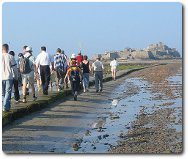
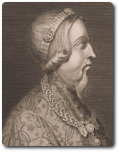
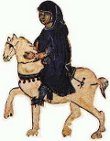
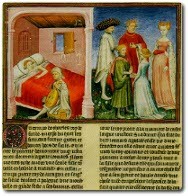
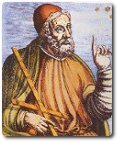
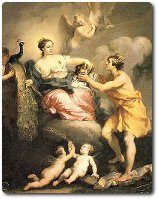
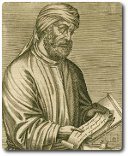
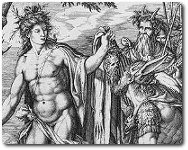
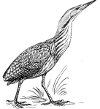
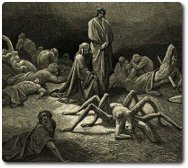
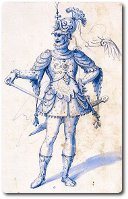
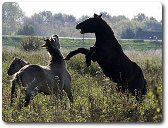
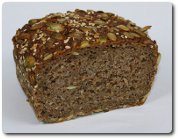
John Wycliff Medieval marriage Wedding at Cana Mass Pilgrimage on Jersey Thomas Becket John Gower Arthur and the Knights of the Round Table Decamaron introduction The Wife of Bath by Blake Wife on her horse Wedding at Cana Solomon and his wives Rich young ruler The feeding of the multitude Ptolemy Theophrastus Juno receiving the head of Argos Hawk, photo by Dori, available through Creative Commons Magpie, photo by David Friel, available through Creative Commons Red gown, photo by Jason Hargrove, available through Creative Commons Venus Doubting Thomas Tertullian Adam and Eve The wife of Jael killing Sisera Arthur's castle Friar Incubus Midas A bittern Purgatorio Knight Nightingale, photo by insecta62, available through Creative Commons Crazy horses, photo by Tobias Akerboom, available through Creative Commons Roaring lion, photo by Winfried Bruenken, available through Creative Commons Bread, photo by Fritz, available through Creative Commons Medieval bed
  • Tweet

Recently Viewed

  • The Wife of Bath's Prologue and Tale » Images
    now
Scan and go

Scan on your mobile for direct link.

Copyright © crossref-it.info - Privacy Policy | Cookie Policy | Terms of Use